Concrete Driveways Installation and Repair: Expert Guide for Homeowners
Concrete driveways require careful planning, precise installation, and routine repair to remain functional and attractive. Homeowners need clear, accurate guidance to repair damage and maintain a driveway’s integrity over time. This guide explains the key steps in concrete driveway installation and repair, describes common issues, and reviews when to call a professional. Whether you need a new driveway or want to address cracks and sinking, following expert practices ensures lasting results.

Step-by-Step: Concrete Driveway Installation
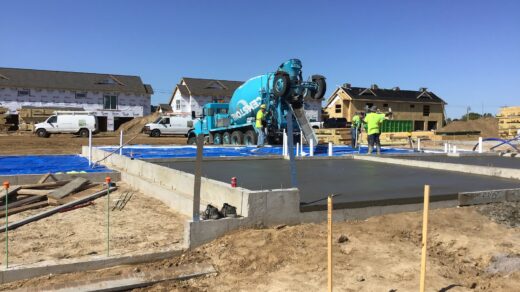
A solid concrete driveway installation starts with thorough site preparation. Contractors inspect the ground, remove grass or old material, and grade the surface for proper drainage. Precise excavation prevents future settling and drainage issues. Workers lay forms to shape boundaries and add a gravel base, which supports the slab and helps with water runoff.
Next, professionals mix and pour concrete evenly, using control joints to prevent cracks. Proper finishing with trowels and brooms creates a smooth or textured surface. After installation, the new slab must cure for at least a week to reach full strength. During this period, experts recommend keeping weight off the driveway and sealing after curing to guard against moisture and stains. This process results in a durable installation that supports vehicles and resists wear.
Routine Maintenance for Concrete Driveways
Routine maintenance extends a concrete driveway’s lifespan. Homeowners should inspect the surface for stains, small cracks, or uneven spots. Promptly clean oil spills with detergent and water to prevent permanent discoloration. Power washing once or twice a year removes dirt and debris that could erode the surface or settle in cracks.
Seal concrete driveways every two to five years, depending on traffic and climate. Quality sealers block moisture and road salts, which could weaken the surface. Address minor cracks early using concrete patch products before damage spreads. Routine inspections and preventative care reduce the need for major repairs, saving money over time.
Common Concrete Driveway Problems and Repair Methods
Concrete driveways develop issues from weather, heavy loads, or aging. Common problems include cracks, potholes, surface scaling, and sunken slabs. Shallow cracks often result from drying and shrinking and can be filled with concrete caulk. Deeper cracks may signal sub-base movement and require professional evaluation and repair.
When parts of your driveway settle or sink, experts may lift and level the slab using mudjacking or polyurethane foam injection. For potholes or crumbling areas, contractors remove damaged sections and patch them with fresh concrete. Regularly check for water pooling, which can indicate a drainage problem under the surface. Timely repair prevents further deterioration, often avoiding expensive replacement.
When to Call a Professional for Driveway Projects
Many minor repairs, such as patching small cracks or sealing, can be managed by homeowners. However, large-scale problems like severe cracking, sunken sections, or failed sub-bases require professional assessment. Contractors inspect, diagnose causes, and recommend repair or replacement. Using the wrong repair method or materials can lead to further damage or early failure.
Choosing a contractor with proven experience in driveways ensures long-term performance. To learn about the standards and approaches used by expert installers, homeowners can review the background and methods of leading concrete driveway specialists. Hiring skilled professionals helps guarantee proper drainage, durable materials, and correct installation or repair techniques.
Planning for Driveway Replacement or Upgrades
Over time, driveways may reach the end of their functional life. Large patterns of cracks, widespread crumbling, or significant heaving can signal the need for full replacement. Contractors begin by breaking and removing the old concrete, inspecting the base, and regrading for better drainage. New installations may include upgrades like thicker concrete, improved joint placement, or decorative finishes to add value and curb appeal.
A well-planned replacement considers local climate, freeze-thaw cycles, and the weight of vehicles using the drive. Upgrading reinforcement (using rebar or mesh) and high-quality materials can improve longevity. Homeowners should discuss options and timing with their contractor to minimize disruption and ensure a smooth, lasting result.