Concrete Driveways Installation and Repair: Methods, Maintenance, and Tips
Concrete driveways play a vital role in residential and commercial properties by providing a strong, reliable surface for vehicles and pedestrians. A professionally installed driveway supports everyday parking, resists weather, and boosts the overall curb appeal of your property. However, to achieve lasting results, homeowners and contractors must understand the correct installation, repair, and maintenance techniques for concrete driveways. This guide addresses concrete driveway installation, repair solutions, surface preparation, drainage essentials, and routine care methods to keep your investment in top condition.
Concrete Driveways Installation
Preparing the Site for Concrete Driveway Installation
Proper site preparation forms the foundation of every durable concrete driveway. Installers start by marking the driveway’s boundaries and removing grass, topsoil, or any obstructions. Adequate excavation ensures the driveway will rest on stable ground, which helps prevent future settling or cracking. Grading the soil and compacting it tightly helps bear the load from vehicles and discourages water pooling under the slab.
Before pouring any concrete, the contractor must establish correct slope and drainage. Sloping the subbase away from buildings prevents water from flowing toward structures and causing potential water damage. Addition of a base material, such as gravel or crushed stone, creates a sturdy platform and further encourages water drainage. Attention to these preliminary steps is essential for preventing costly repairs later.
Accurate measurement and careful planning also guarantee the driveway can support the intended use, whether it’s a single-car path or a wide parking area for multiple vehicles. Site preparation impacts the longevity and performance of the finished driveway, making it one of the most important steps in the installation process.
Concrete Pouring, Finishing, and Curing Methods
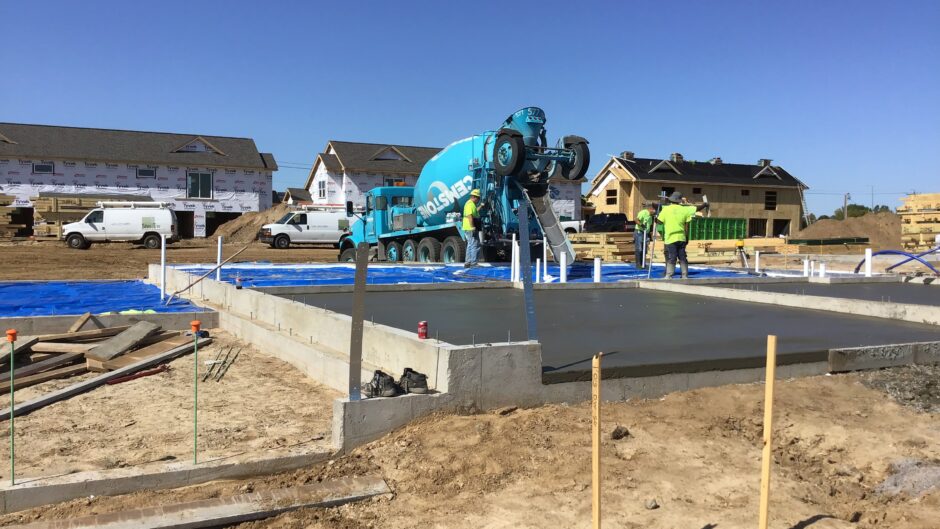
Once the site is ready, professionals install forms along the edges to maintain the correct shape and outline. The concrete mix is then poured in a controlled manner, ensuring even distribution. Workers use tools to level and compact the fresh concrete, removing air pockets and producing a flat surface. Reinforcement, like steel mesh or rebar, may be added to strengthen the slab and minimize the risk of future cracks.
Finishing techniques can include brooming for better traction or stamping for decorative patterns. Edge troweling defines clean transitions between the driveway and adjacent areas. Joints are saw-cut or tooled into the surface to control where minor cracking occurs, as concrete expands and contracts naturally over time. These joints reduce the chance of random cracking across visible areas of the driveway.
Proper curing enables the concrete to reach its full strength. Keeping the driveway damp for several days after pouring is vital. During this time, foot and vehicle traffic must be restricted. Most contractors recommend a curing period of at least a week before allowing any vehicles on the surface, though total strength can take nearly a month to develop. Patience during this stage can prevent premature damage.
Common Driveway Problems and Expert Repair Solutions
No matter how well a driveway is installed, exposure to temperature changes, moisture, and traffic can create problems. Common driveway issues include cracks, spalling, scaling, and settling. Cracks form when concrete shrinks as it cures or shifts due to freeze-thaw cycles. Spalling and scaling happen when the surface flakes due to improper finishing, use of de-icing chemicals, or harsh weather conditions.
Repairing concrete driveways requires assessment of the underlying cause and the extent of the damage. Small cracks can often be filled with concrete patching products or epoxy compounds to restore a smooth, level surface. More extensive damage, like major settling or large sections breaking apart, might require partial or full slab replacement.
If you notice surface defects or drainage concerns, act quickly to prevent further deterioration. For more information about available options—including crack repair, resurfacing, and complete driveway replacement—explore the concrete driveway repair services offered by experienced contractors. Prompt repairs ensure your driveway remains functional, attractive, and safe.
Drainage, Water Management, and Surface Protection
Effective drainage is crucial for protecting any concrete driveway from water damage and extending its service life. Standing water can seep into tiny cracks, freeze in winter, and expand—resulting in worsened fissures or heaving. Driveway drainage solutions include carefully sloping the driveway away from the house, installing trench drains along the edges, or adding permeable borders to channel water away.
Surface protection measures, such as applying a quality concrete sealer every few years, also help repel water and reduce the impact of freeze-thaw cycles. Sealers fill microscopic pores, making it harder for water, de-icing salts, and stains to penetrate the concrete. Regular sealing works hand-in-hand with proper slope and drainage to resist both weather-related and chemical damage.
When deciding on repairs or new installations, always ask your contractor how they address drainage and water management. Proper control of moisture under and around the driveway prevents long-term issues and reduces the need for repeated repairs.
Routine Maintenance Tips for Long-Lasting Driveways
Routine maintenance is essential for preserving the appearance and structural performance of your concrete driveway. Regularly clean the surface by sweeping away debris and using a pressure washer to remove dirt or stains. Inspect for new cracks, chips, or signs of scaling throughout the year, paying close attention after harsh winter cycles.
Remove oil, grease, and other automotive fluids promptly to prevent permanent staining or degradation of the surface. Avoid using de-icing chemicals, especially those containing ammonium sulfate or ammonium nitrate, since these can break down concrete over time. Instead, sand works as a safe alternative for gaining traction during icy weather.
If you notice early signs of damage, arrange for a thorough inspection or minor repairs to halt worsening issues. Homeowners can extend their driveway’s service life and maintain property value by following these simple maintenance steps, protecting both function and appearance year after year.