THC and CBD work with your body’s endocannabinoid system to provide distinct therapeutic benefits. THC, the psychoactive compound, can help manage pain, reduce nausea, and stimulate appetite, particularly beneficial for cancer patients undergoing treatment. CBD, its non-intoxicating counterpart, shows promise in treating anxiety, epilepsy, and various neurological disorders without producing a “high.” You’ll find these compounds in diverse forms, including oils, tinctures, edibles, and topicals, each offering different onset times and durations of effect. While both compounds show medical potential, their legal status varies by state, and consulting healthcare providers guarantees safe, appropriate use. Understanding their unique properties opens doors to targeted therapeutic applications.
Highlights
- THC and CBD interact with the endocannabinoid system to manage pain, reduce inflammation, and regulate various physiological processes.
- CBD shows promise in treating anxiety and neurological disorders like epilepsy without causing psychoactive effects.
- THC effectively reduces nausea and improves appetite in cancer patients undergoing chemotherapy treatments.
- Both compounds are available in various forms including oils, tinctures, edibles, and topicals for different administration preferences.
- Research indicates potential benefits for chronic pain, sleep disorders, and mental health conditions with proper dosage.
Understanding THC and CBD
Both THC and CBD originate from the Cannabis sativa plant but serve distinctly different purposes. While THC’s historical prevalence dates back thousands of years as a psychoactive compound, CBD has recently gained attention for its non-intoxicating properties. These bioactive compounds interact differently with your body’s endocannabinoid system, which helps regulate various physiological processes.
You’ll find that THC primarily binds to CB1 receptors in your brain, creating the characteristic “high” sensation, while CBD’s tissue interactions are more complex and don’t directly activate these receptors. CBD’s therapeutic potential has sparked significant research interest, particularly in treating conditions like epilepsy and chronic pain. When you compare the two compounds, you’ll notice that THC can produce psychoactive effects that may include euphoria or anxiety, whereas CBD typically doesn’t alter your mental state.
While anecdotal reports suggest numerous benefits for both compounds, it’s imperative to understand their distinct properties and effects. You should know that CBD won’t make you feel intoxicated, but THC will – a fundamental difference that influences their respective medical applications and legal status in many jurisdictions.
Medical Applications and Research
The medical research surrounding THC and CBD has expanded dramatically in recent years, building upon our understanding of their distinct properties. You’ll find that while both compounds offer therapeutic potential, they work through different mechanisms to provide relief from various conditions. Research shows CBD’s anti-inflammatory properties may help manage chronic conditions, while THC’s effects often target pain relief and reducing nausea in cancer patients.
Medical studies have identified several promising applications:
- Pain management – Both compounds interact with your body’s endocannabinoid system to reduce chronic and neuropathic pain
- Neurological disorders – CBD’s potential in treating epilepsy and early-stage Alzheimer’s treatment continues to show promise
- Mental health – Research suggests CBD may offer anxiety relief without THC’s psychoactive effects
- Cancer-related symptoms – THC’s effectiveness in reducing nausea and improving appetite in chemotherapy patients
You’ll need to understand that while these applications show promise, research is ongoing and many studies are still in early phases. Current FDA approvals remain limited, though clinical trials continue to explore new therapeutic uses for both compounds. Consider consulting healthcare providers who can guide you through the latest research-backed applications for your specific condition.
Legal Status Across States
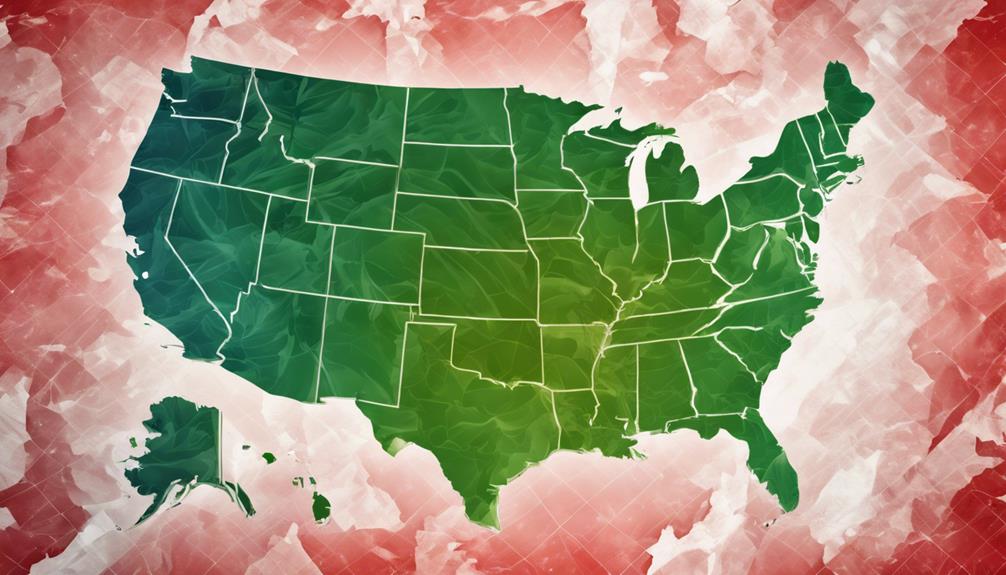
Across fifty states, legal frameworks for THC and CBD products vary dramatically, creating a complex patchwork of regulations that you’ll need to navigate carefully. While some states have fully embraced both medical and recreational cannabis, others maintain strict prohibitions or limit access to specific medical conditions. You’ll find that these variations affect everything from possession limits to product labeling standards.
When you’re considering THC products, you’ll need to verify your state’s medical use regulations, as they determine qualifying conditions, possession limits, and dispensary operations. Public health policies in each state establish different consumer protection guidelines, including requirements for testing, packaging, and warning labels.
If you’re interested in CBD products, you’ll discover they’re generally more accessible, though banking and taxation regulations still create challenges for businesses selling these products.
Before purchasing any cannabis products, you should research your state’s specific requirements, as crossing state lines with these substances can result in serious legal consequences. Keep in mind that state regulations frequently change, so it’s important to stay informed about current laws in your area.
Health Effects and Safety
Understanding THC and CBD’s health effects requires careful consideration of both benefits and risks to your wellbeing. When you’re using these compounds, their impact on cognition varies tremendously based on factors affecting potency, including the strain, dosage, and method of consumption. You’ll need to be particularly mindful of interactions with other drugs, as both THC and CBD can affect how your body processes medications.
For considerations for public health, you should be aware of these key safety factors:
- THC’s psychoactive effects can impair your judgment, coordination, and reaction time
- CBD may cause side effects like fatigue, changes in appetite, and digestive issues
- Both compounds can have different implications for vulnerable populations, especially adolescents and elderly individuals
- The risk of adverse effects increases with higher potency products and frequent use
If you’re considering using either compound, it’s essential to consult healthcare providers, particularly if you have pre-existing conditions or take prescription medications. Remember that individual responses vary tremendously, and what works safely for one person may not be appropriate for another. Regular monitoring and careful dosing remain essential for minimizing potential risks while maximizing therapeutic benefits.
Forms and Administration Methods
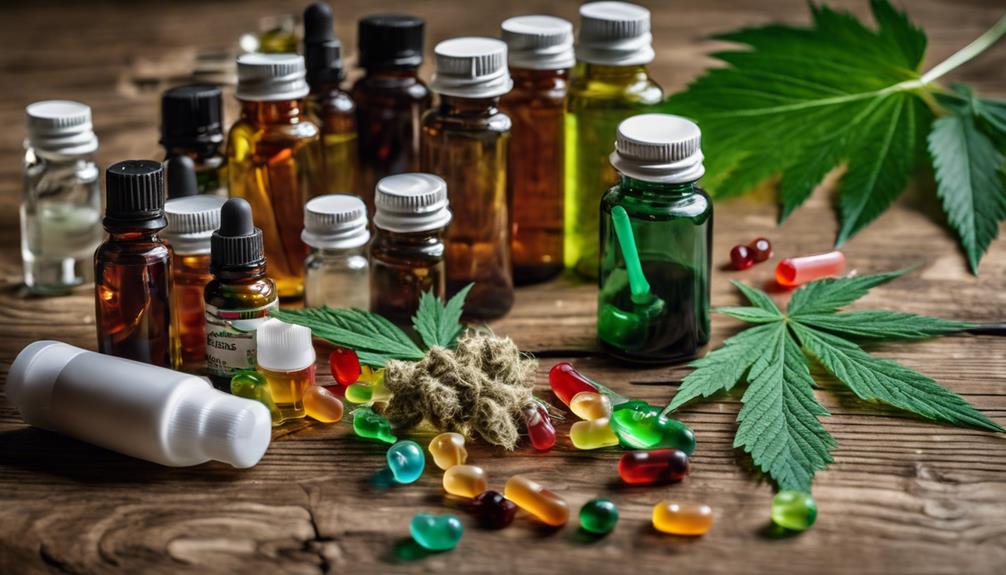
Both THC and CBD products come in diverse forms, allowing you to choose administration methods that match your specific needs and preferences. When considering potency and regulation, you’ll find that extraction methods substantially influence the final product’s concentration and effects, making dosage considerations vital for safe consumption.
| Form | Administration Method | Onset Time | Duration |
|---|---|---|---|
| Oils/Tinctures | Sublingual drops | 15-45 mins | 4-6 hours |
| Edibles/Infused | Oral consumption | 30-120 mins | 6-8 hours |
| Vaporizers | Inhalation | 1-5 mins | 2-4 hours |
| Topicals | Skin application | 15-60 mins | 2-5 hours |
You’ll encounter various delivery systems, from edibles and infused products like gummies and beverages to topical and transdermal delivery options such as creams and patches. Each method offers distinct advantages: vaporization provides quick relief, while edibles offer longer-lasting effects. When selecting your preferred method, consider factors like onset time, duration of effects, and your comfort level with the administration process. Remember that different forms may require specific storage conditions to maintain their potency and safety.
FAQ
How Long Do THC and CBD Remain Detectable in Urine Drug Tests?
Your THC can show up in urine tests for 3-30 days, while CBD won’t typically trigger a positive result. Detection time depends on your usage frequency, metabolism, and the lab test’s sensitivity levels.
Can Pets Get High From Second-Hand Cannabis Smoke?
Yes, your pets can get high from secondhand cannabis smoke. For responsible ownership, you’ll need to avoid exposing pets due to potential toxicity risks. Veterinarians recommend keeping all cannabis use separate from your animals.
Does Eating Raw Cannabis Leaves Provide Any Health Benefits?
Raw cannabis leaves won’t get you high but they contain nutrients and antioxidants that may help with digestion and inflammation. However, you’ll need more research-backed evidence before relying on them for medicinal benefits.
Why Do Some People Experience Paranoia With THC but Others Don’t?
Your reaction to THC depends on your genetic predisposition and individual metabolism. You’ll experience different dose-dependent effects, with some people being more susceptible to anxiety and cognitive impairment than others.
Do THC or CBD Affect Dreams and Sleep Patterns Differently?
You’ll experience different effects: THC typically reduces dream recollection by suppressing REM cycles, while CBD may improve your overall sleep quality and sleep stages with fewer interruptions. Research on both continues to evolve.
Conclusion
As you weigh the benefits of THC and CBD, you’ll need to examine their distinct therapeutic properties, legal status in your area, and potential interactions with other medications. While THC offers pain relief and appetite stimulation with psychoactive effects, CBD provides anti-inflammatory and anxiety-reducing benefits without intoxication. Remember to consult your healthcare provider before starting any cannabinoid regimen, as they’ll help determine the most suitable approach for your specific medical needs.