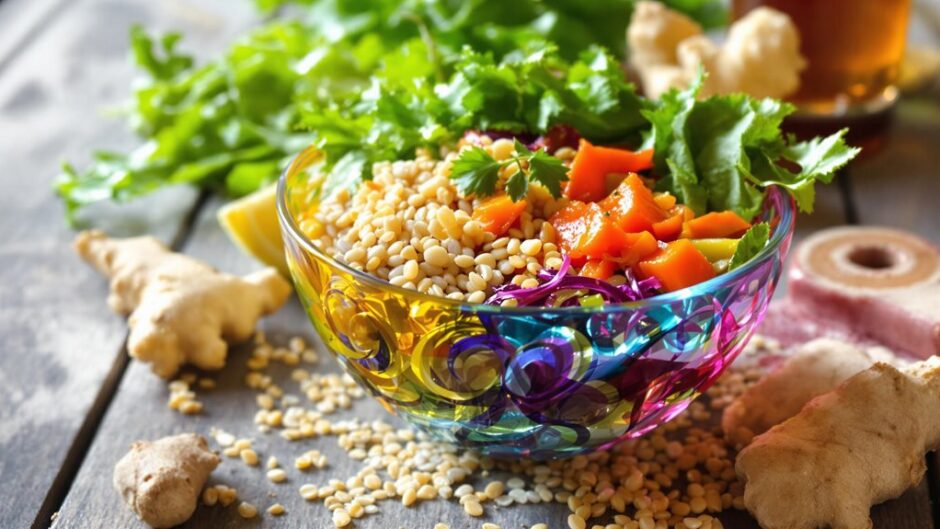
Natural solutions for digestive disorders include evidence-based herbal remedies like ginger, peppermint, and chamomile, which demonstrate efficacy in reducing inflammation and gastrointestinal discomfort. The integration of probiotics through fermented foods and supplements helps maintain beneficial gut bacteria, while adherence to a Low-FODMAP diet can alleviate symptoms by eliminating problematic carbohydrates. Stress management techniques and lifestyle modifications, including regular exercise and adequate sleep, further enhance digestive wellness through multiple therapeutic pathways.
Expert Highlights
- Incorporate ginger supplements or tea daily to reduce bloating and intestinal inflammation through its active compounds gingerols and shogaols.
- Follow a Low-FODMAP diet by eliminating specific carbohydrates from fruits, vegetables, and grains that trigger digestive sensitivities.
- Consume fermented foods like kimchi, sauerkraut, and kefir to introduce beneficial bacteria and support optimal digestive health.
- Practice stress-reduction techniques such as meditation and deep breathing to minimize cortisol release and improve gut function.
- Take peppermint supplements or tea to relax digestive tract muscles and reduce IBS symptoms naturally.
Ginger & Herbal Remedies for Digestive Comfort
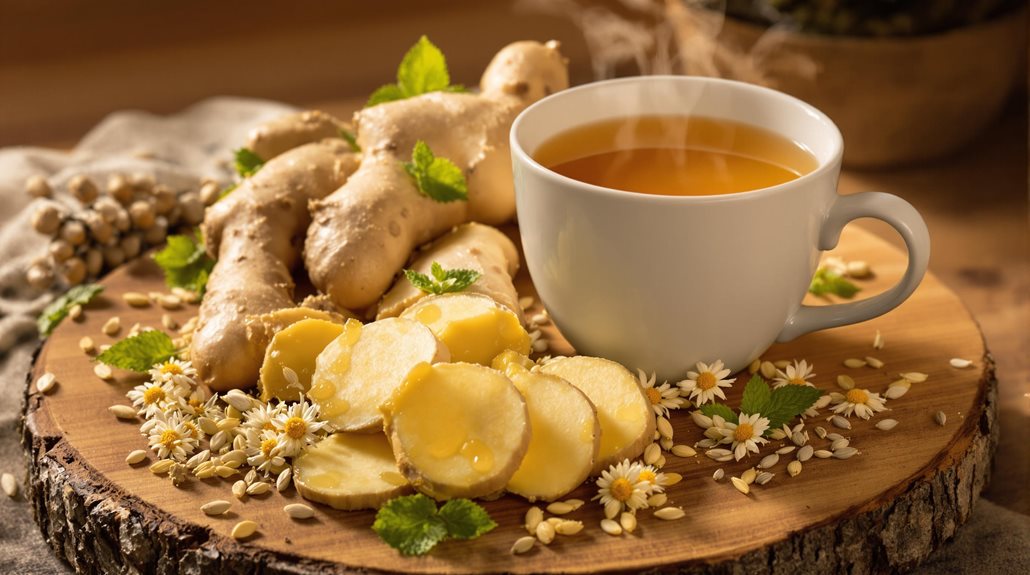
When addressing digestive discomfort through natural means, ginger stands as one of the most extensively researched and empirically supported herbal remedies. Studies have demonstrated its effectiveness in reducing nausea, bloating, and intestinal inflammation through active compounds called gingerols and shogaols.
Beyond ginger, several other herbal remedies demonstrate significant potential for digestive support. Peppermint, through its primary compound menthol, helps relax the smooth muscles of the digestive tract, while chamomile exhibits both anti-inflammatory and antispasmodic properties.
Fennel seeds contain anethole, which aids in reducing intestinal gas and associated discomfort, whereas turmeric’s active component, curcumin, provides substantial anti-inflammatory benefits throughout the digestive system.
These natural solutions can be consumed as teas, supplements, or incorporated into meals to support ideal digestive function.
Probiotics & Fermented Foods for Gut Balance
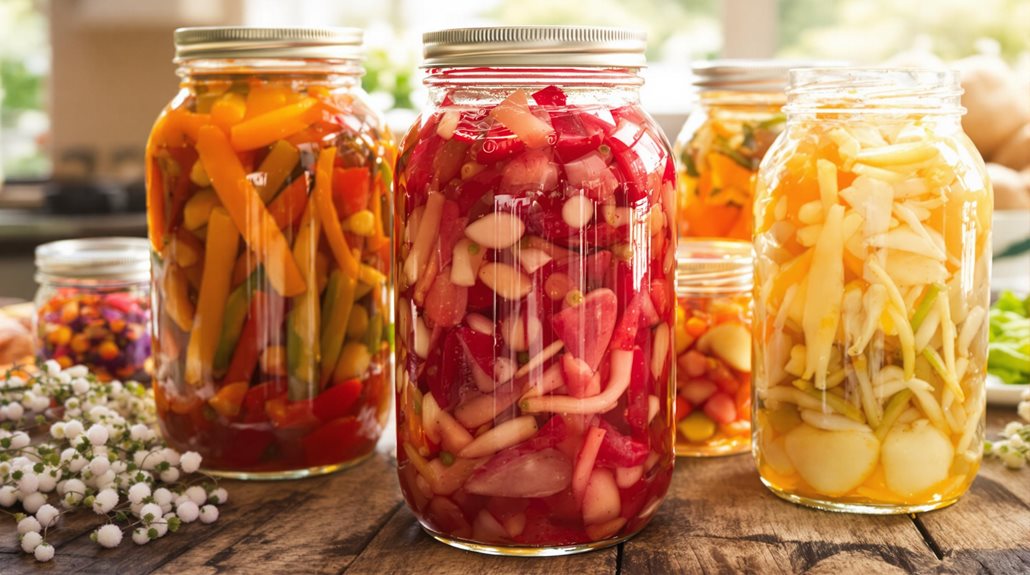
Three key microbiome-supporting components – probiotics, prebiotics, and fermented foods – form the foundation of ideal gut health and digestive function.
Scientific research demonstrates that beneficial bacteria colonies, when properly nourished through dietary choices, help maintain optimal digestive processes and immune system responses.
Fermented foods such as kimchi, sauerkraut, kefir, and kombucha deliver live cultures directly to the digestive tract, while prebiotic fiber sources, including Jerusalem artichokes, garlic, and chicory root, provide essential nourishment for existing gut flora.
High-quality probiotic supplements, particularly those containing Lactobacillus and Bifidobacterium strains, can complement dietary sources by introducing targeted beneficial organisms.
The synergistic relationship between these elements supports the intestinal barrier, enhances nutrient absorption, and promotes regular bowel movements while reducing inflammation throughout the digestive system.
Low-FODMAP Diets & Prebiotic-Rich Foods

The Low-FODMAP diet represents a scientifically-validated approach for managing digestive sensitivities through strategic food choices, while prebiotic-rich foods serve as essential nourishment for beneficial gut bacteria. This dietary protocol systematically eliminates fermentable carbohydrates found in certain fruits, vegetables, dairy products, and grains that may trigger gastrointestinal distress in sensitive individuals.
Prebiotic-rich foods complement this approach by providing specific fiber compounds that support beneficial bacterial growth. Foods such as chicory root, Jerusalem artichokes, green bananas, and dandelion greens contain high levels of inulin and fructooligosaccharides, which function as preferred energy sources for probiotic organisms.
Medical practitioners often recommend a balanced implementation of both strategies, carefully introducing prebiotic foods while adhering to Low-FODMAP principles to optimize digestive health and microbial diversity.
Stress Management & Lifestyle Modifications**

Psychological equilibrium plays an essential role in maintaining ideal gut health, with research demonstrating clear bidirectional communication between the central nervous system and enteric nervous system. Chronic stress activation triggers inflammatory responses that can disrupt intestinal barrier function and alter gut motility patterns.
| Stress Response | Impact on Gut | Mitigation Strategy |
|---|---|---|
| Cortisol Release | Inflammation | Meditation Practice |
| Sympathetic Activation | Reduced Digestion | Deep Breathing |
| Sleep Disruption | Microbiome Changes | Sleep Hygiene |
| Muscle Tension | Motility Issues | Progressive Relaxation |
| HPA Axis Dysfunction | Immune Dysregulation | Regular Exercise |
Implementation of evidence-based stress reduction techniques, combined with consistent lifestyle modifications focusing on sleep optimization and physical activity, has demonstrated significant efficacy in ameliorating gastrointestinal symptoms and promoting enhanced digestive function.
Frequently Asked Questions
Can Certain Gut Issues Increase the Risk of Developing Autoimmune Conditions?
Research indicates that intestinal permeability and gut dysbiosis can trigger autoimmune responses, as compromised gut barriers allow harmful substances to enter the bloodstream, potentially activating the immune system against healthy tissues.
How Long Does It Typically Take to Repair a Damaged Gut?
Repairing gut health typically takes 3-6 months with proper dietary changes, stress management, and lifestyle modifications. Individual healing times vary based on severity and consistency of treatment protocols.
Are Gut Problems Hereditary, or Are They Mainly Influenced by Lifestyle?
Both genetic and lifestyle factors influence gut health. While some conditions have hereditary components, diet, stress, medications, and environmental factors play significant roles in developing digestive issues and symptoms.
Should I Exercise During an IBS Flare-Up?
Light exercise like gentle walking or stretching can help ease IBS symptoms. However, intense workouts may worsen discomfort during flare-ups. Each person should listen to their body’s signals.
Can Food Allergies Develop From Poor Gut Health?
Poor gut health can compromise the intestinal barrier, potentially leading to increased food sensitivities and allergies. This condition, known as “leaky gut,” may trigger immune responses to various foods.
Expert Final Thougts
Natural approaches to digestive wellness encompass multiple evidence-based interventions, from botanical remedies to dietary modifications. The integration of anti-inflammatory herbs, probiotic-rich fermented foods, and specialized eating patterns like low-FODMAP diets provides a thorough framework for managing gastrointestinal distress. When combined with stress reduction techniques and lifestyle adjustments, these natural solutions offer promising pathways for individuals seeking to optimize their digestive health and alleviate chronic symptoms.